Aircrew Parachute Harness/Pack – Vulcan & Victor Crew Seats: Historic Aircrew Escape Assembly
Aircrew Parachute Harness/Pack – Vulcan & Victor Crew Seats: Historic Aircrew Escape Assembly
Blog Article
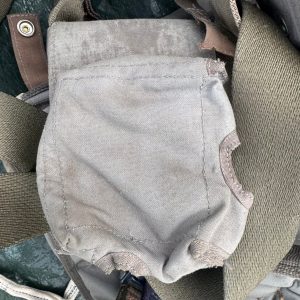
The Aircrew Parachute Harness/Pack – Vulcan & Victor Crew Seats is a specialized military aviation component associated with compatible aircrew seating and emergency equipment configurations.
An Aviation Parachute Harness and Pilot Parachute Harness should be identified through labels, part numbers, manufacturing records, and configuration-specific information.
Whether buyers seek an Aircraft Emergency Parachute Harness, Aircrew Safety Harness, Flight Crew Parachute Harness, Emergency Parachute Harness, or Military Aircrew Harness, exact system identity should guide evaluation.
The Aviation Emergency Escape Harness, Parachute Harness Assembly, Aircraft Crew Safety Equipment, Aircrew Emergency Equipment, and Pilot Emergency Parachute System form part of a broader aviation safety category.
The Flight Parachute Harness should remain matched with the correct parachute pack, seat arrangement, attachment hardware, and operating system.
Overview of the Military Aircrew Parachute Assembly
Different seats, crew roles, equipment updates, maintenance programs, and production periods may have used variations in harness, pack, fittings, or attachment arrangement.
Complete package information helps buyers estimate restoration needs and historical value.
Military Harness Structural Features
Webbing can deteriorate through age, ultraviolet exposure, chemicals, moisture, abrasion, mildew, heat, repeated loading, and unsuitable storage.
Original thread can lose strength even when the stitch pattern remains visually intact.
Pilot Harness Strap Configuration
A Pilot Parachute Harness should correspond with the wearer, clothing, seat arrangement, parachute pack, attachment system, and intended operating configuration.
Frozen or stiff hardware should not be forced because this can tear material or damage rare components.
Understanding Emergency Parachute Attachment
The harness alone does not establish the condition or completeness of the complete emergency system.
Attachment points should be checked for deformation, wear, corrosion, cracks, missing components, incorrect hardware, and evidence of loading or repair.
Historic Aircrew Restraint Equipment
Accurate identification supports museum displays, restorations, archival records, and specialist collections.
Proper storage protects the Aircrew Safety Harness and reduces further deterioration.
Flight Harness Preservation
Detailed condition reporting creates a more credible and commercially useful listing.
Unsupported claims of combat use, specific crew assignment, or aircraft provenance should be avoided.
Harness Hardware Evaluation
The pack or container should be examined separately for fabric deterioration, closures, contamination, deformation, and missing components.
Unknown contamination should be handled carefully and isolated from other equipment.
Military Aircrew Harness Heritage
A Military Aircrew Harness associated with Vulcan and Victor crew seating can hold significant interest for collectors of British military aviation, historic aircraft equipment, and Cold War-era artifacts.
Museums and display builders may use the harness/pack to complete a crew-seat installation, cockpit exhibit, training display, or aviation-history presentation.
Crew-Seat Escape Equipment
Missing components can limit the accuracy of a restoration or display.
Wear patterns can sometimes show how straps or fittings were routed, but interpretation should remain cautious.
Harness and Pack Configuration
A pack exterior does not prove that a canopy, pilot chute, deployment components, or internal equipment remain present.
Loose components should be photographed, labeled, and packaged separately so they are not lost or mistaken for unrelated hardware.
Military Crew Survival Gear
Each item should be identified and evaluated individually because age, storage, configuration, and service history can differ.
Conservation should prioritize reversible methods whenever practical.
Choosing Aircrew Survival Components
Aircrew Emergency Equipment reflects the operational requirements, aircraft technology, crew roles, and safety practices of its service period.
Claims about operational readiness should require current professional evidence.
Evaluating Historic Parachute Systems
Historic parachute equipment may have exceeded original service intervals or contain materials affected by age and storage.
Opening a historic pack can disturb original packing arrangements, seals, labels, or documentation.
Historic Harness Display Planning
Display mounts should support the harness without introducing tension, sharp bends, adhesive contact, or metal-to-fabric abrasion.
Handling can accelerate webbing wear and damage original fittings.
Evaluating Parachute Harness Value
A Flight Parachute Harness should be purchased according to intended use, identity, condition, completeness, provenance, size, configuration, and available documentation.
Original storage bags, manuals, inspection cards, or photographs can increase collector interest.
Crew-Seat Harness Compatibility
Components should not be combined merely because they connect physically.
Incorrect routing can damage webbing, bend fittings, or create false wear patterns.
Aircrew Harness Pre-Purchase Checklist
Photographs should show every major surface and identification marking.
- Confirm all visible labels, part numbers, dates, contract markings, manufacturer information, inspection stamps, and claimed Vulcan or Victor crew-seat association.
- Check metal hardware for corrosion, pitting, cracks, bending, sharp edges, seized movement, plating loss, and mismatched parts.
- Confirm the seller’s invoice, payment protection, packaging method, shipping insurance, inspection period, and return conditions.
Storing the Aircrew Parachute Harness/Pack
Conservation-quality storage can slow deterioration and preserve historical evidence.
Silica products or humidity-control materials should not contact the harness directly.
Historic Parachute Equipment Presentation
The harness Aircrew Safety Harness should be arranged according to reliable reference material without forcing stiff components into position.
Professional presentation improves educational value without compromising authenticity.
Long-Term Aircrew Harness Care
Polishing corroded hardware may damage plating or stain surrounding webbing.
Documentation should record every intervention, added component, cleaning method, and display modification.
Final Thoughts on the Vulcan and Victor Harness Assembly
For the correct project, the harness and pack can add an important level of accuracy and visual detail to a compatible crew-seat display.
A qualified parachute professional must evaluate the equipment before any operational consideration, while a conservator or historian may be more appropriate for display-focused projects.
Whether the product is described as a Parachute Harness Assembly, Aircraft Crew Safety Equipment, Aircrew Emergency Equipment, or Pilot Emergency Parachute System, completeness and intended use should be stated clearly.
With complete evaluation and continued preservation, the Aircrew Parachute Harness/Pack – Vulcan & Victor Crew Seats can deliver a professional combination of historical significance, restoration potential, collectible appeal, and military aviation heritage.
Report this page